
कार्तिक २५, २०८३ बुधबार
November 11, 2026
 युग खबर
२०८३ कार्तिक २५, बुधबार

Kathmandu. Nepali people are celebrating Bhai Tika, the final day of the five-day Tihar festival, today as brothers receive tika from their sisters and exchange blessings, gifts and good wishes.
Bhai Tika, also known as Yama Dwitiya, is observed every year on the second day of the bright fortnight of the month of Kartik. It is considered the main festival of Tihar, Nepal’s second-largest festival. On this occasion, sisters traditionally apply five-colour or seven-colour tika to their brothers, praying for their long life, good health, prosperity and well-being.

After sisters apply tika to their brothers, brothers also put tika on their sisters. According to religious tradition, worshipping sisters on this day is believed to bring lasting good fortune, prosperity and happiness.
Bhai Tika can be observed throughout the day this year. However, for those who wish to follow an auspicious time, 11:07 am has been recommended as the most favourable time, according to Associate Professor Dr Purushottam Bhattarai, chairperson of the Nepal Panchanga Nirnayak Development Committee. He said there is no restriction on putting tika at other times during the day, although the committee has recommended that state officials follow the auspicious time.
According to the committee, this year sisters giving tika should face east, while brothers receiving tika should face west. This arrangement places the Moon, which is in Scorpio, on the brothers’ right side. The Moon is scheduled to enter Scorpio in the morning after remaining in Libra earlier in the day. Religious scholar Prof. Dr Ram Chandra Gautam said the same direction can also be followed while the Moon remains in Libra, as religious scriptures prescribe keeping the Moon in front or to the right during auspicious activities.
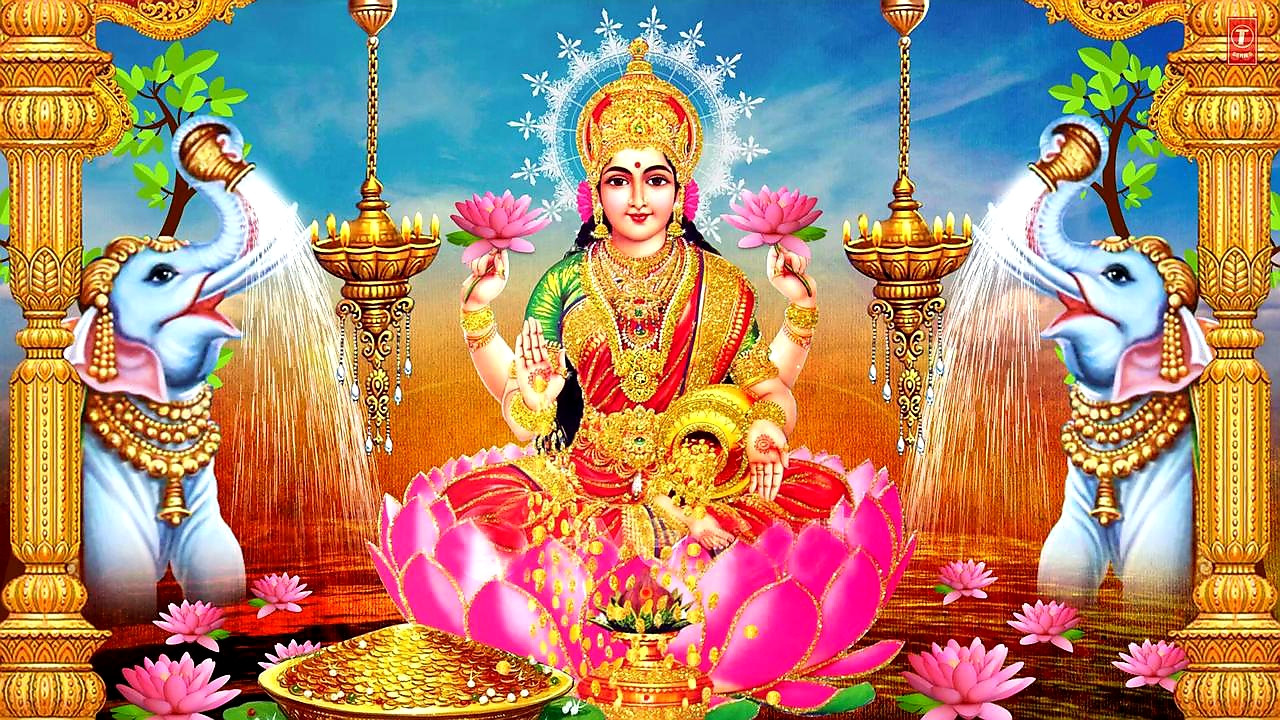
On Bhai Tika, sisters also worship the oil lamp, kalash and Ganesh that were installed during Laxmi Puja. They then perform rituals dedicated to the eight immortal figures—Markandeya, Ashwatthama, Bali, Vyasa, Hanuman, Vibhishana, Kripacharya and Parashurama—as well as Chitragupta, Yamaraj, Yamuna, Dharmaraj and other deities.
Traditionally, sisters draw a protective line of oil around their brothers before applying five-colour or seven-colour tika. They also adorn their brothers with garlands made of makhamali (globe amaranth), marigold and chrysanthemum flowers.
Although the seven-colour tika has become widely popular during Tihar, religious scholar Gautam said the traditional scriptural practice calls for five colours—red, white, yellow, green and blue.
After applying tika, sisters offer their brothers walnuts, chestnuts, spices, sel roti and other traditional delicacies. Brothers, in return, honour their sisters by offering clothes, money and other gifts according to their means, continuing a long-standing religious and social tradition of expressing love, respect and goodwill.
युगखबर अनलाइनमा प्रकाशित कुनै सामग्रीबारे कुनै गुनासो, सूचना तथा सुझाव भए हामीलाई [email protected] मा पठाउनु होला । धन्यवाद ।














प्रतिक्रिया